Essential Garage Door Spring Maintenance Guide for Boston Residents

Introduction
Your garage door is more than just an entryway; it plays a pivotal role in your home's security and functionality. Among its various components, the springs are crucial for balancing the door's weight, enabling smooth operation. Unfortunately, many homeowners overlook the importance of garage door spring maintenance, leading to potential failures and safety hazards. In this comprehensive guide, we'll cover essential maintenance tips and insights tailored for Boston residents to ensure your garage door springs remain in tip-top shape.
Understanding Garage Door Springs
Before diving into maintenance, let's understand the types of garage door springs and their functions:
Types of Garage Door Springs
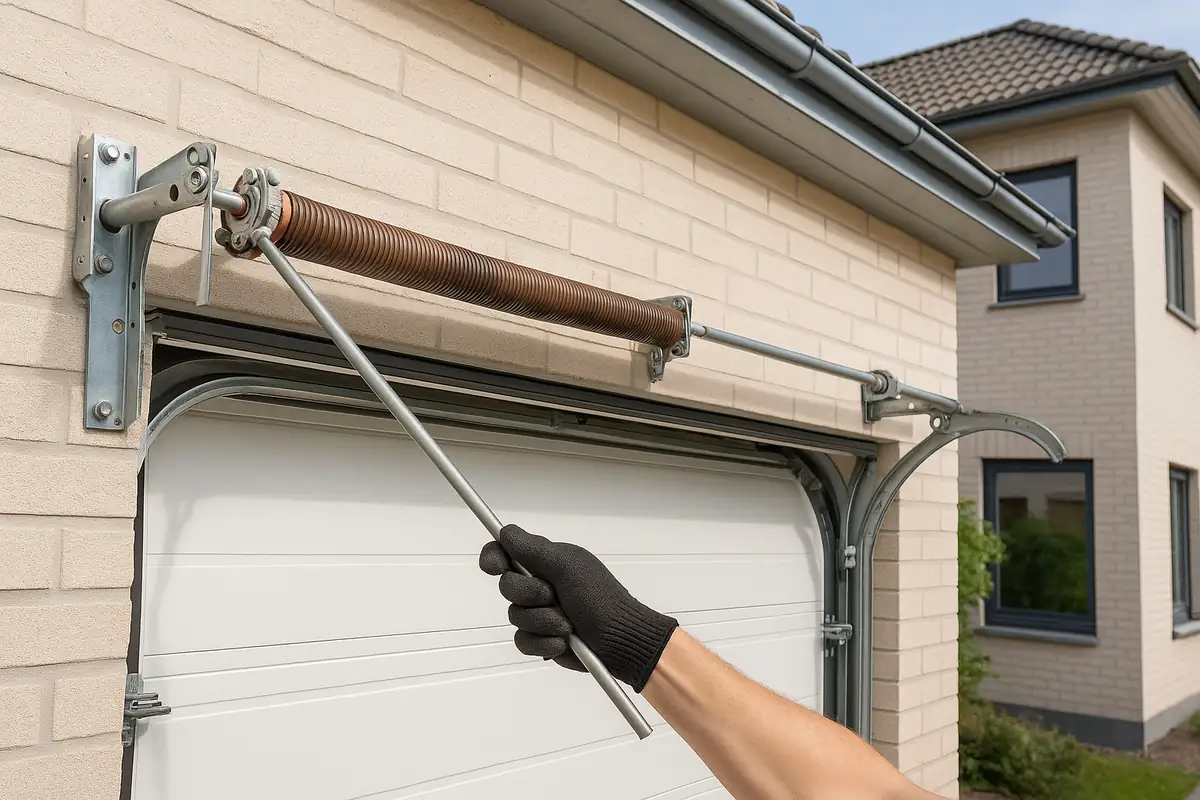
- Torsion Springs: Located above the garage door, torsion springs are twisted to create tension, allowing the door to lift smoothly. These are typically found in heavier garage doors.
- Extension Springs: Installed on either side of the door, extension springs stretch to provide the necessary lift. They are common in lighter garage doors.
Why Regular Maintenance Matters
Garage door springs are under significant stress daily. Regular maintenance not only prolongs their lifespan but also ensures your safety.
Statistics on Garage Door Performance
According to the International Door Association:
- Over 70% of garage door issues stem from spring failures.
- Regular maintenance can extend the life of your garage door springs by up to 50%.
Garage Door Spring Maintenance Tips
Here are practical tips to maintain your garage door springs effectively:
1. Regular Visual Inspections
Conduct monthly inspections of your garage door springs:
- Look for signs of wear and tear, such as rust or fraying.
- Check for any unusual noises when operating the door.
- Ensure the springs are not loose or detached.
2. Lubrication
Keeping your springs lubricated is vital for their longevity:
- Use a silicone-based lubricant for smooth operation.
- Avoid using grease, as it can attract dirt and grime.
- Apply lubricant to all moving parts, including rollers and hinges, to enhance functionality.
3. Tension Adjustment
Proper spring tension is crucial for safe operation:
- Hire a professional if you're unsure about adjusting your springs.
- For torsion springs, adjustments should only be made by trained technicians.
4. Professional Maintenance
Consider scheduling professional maintenance at least once a year:
- Technicians can identify and address issues that may go unnoticed during DIY inspections.
- Routine maintenance can catch problems early, saving you money on larger repairs later.
5. Understanding When to Replace
Know the signs that indicate your garage door springs may need replacement:
- The door fails to open or close completely.
- You notice excessive noise during operation.
- One side of the door appears lower than the other.
Common Myths About Garage Door Springs
It's essential to debunk some common myths surrounding garage door springs:
Myth 1: Springs Last Forever
Truth: Springs have a limited lifespan, typically lasting around 10,000 cycles (opening and closing). Regular maintenance can prolong their life.
Myth 2: DIY Repairs Are Always Safe
Truth: Garage door springs are under high tension and can snap, causing injury. Always consult professionals for repairs and replacements.
Conclusion
Maintaining your garage door springs is critical for safe and efficient operation. By following these guidelines and prioritizing regular inspections and maintenance, you can ensure that your garage door remains a reliable part of your home for years to come. For expert service and assistance in Boston, MA, trust GarageLand to keep your garage door springs in perfect condition. Contact us today for professional maintenance and repairs!
Explore More Resources
Related Articles
Service Areas
We proudly serve Boston, Charles River Square, North Point, Boynton Yards, Cambridge and more areas.
Our Services
Professional garage door repair, spring repair, opener installation and more. View all services →