How to Reduce Garage Door Noise: Expert Tips from GarageLand in Boston, MA

Understanding Garage Door Noise
Garage doors are integral to your home, providing security and protection for your vehicles and belongings. However, they often come with an unwanted side effect: noise. Whether it's the loud creaking of hinges or the rattling of springs, excessive noise can be a nuisance. In this guide, we’ll explore effective strategies to help you minimize garage door noise, enhancing your comfort and peace of mind.
Why Does Your Garage Door Make Noise?
Before tackling the solution, it’s essential to understand the common causes of garage door noise. Here are the primary culprits:
- Worn-out hardware: Over time, rollers, hinges, and springs can wear down, leading to increased friction and noise.
- Lack of lubrication: A garage door that isn’t lubricated regularly will result in creaking and grinding sounds.
- Improper installation: An incorrectly installed garage door can lead to misalignment, causing it to make noise when operating.
- Age of the garage door: Older doors, particularly those made of metal, can become increasingly noisy as they age.
Practical Tips to Reduce Garage Door Noise
Now that we have identified the causes, let’s look at some practical tips to reduce the noise coming from your garage door:
1. Regular Maintenance
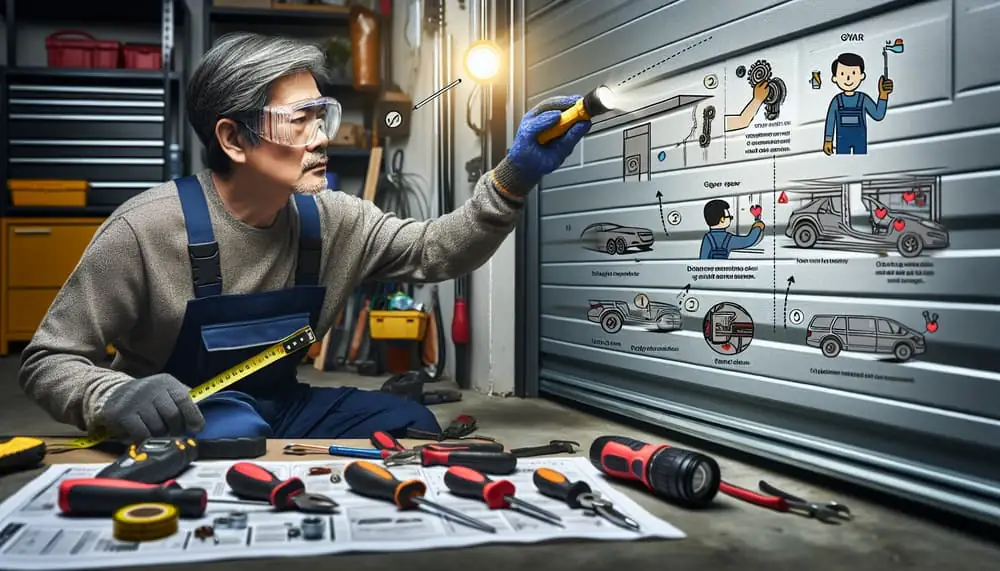
Routine maintenance is vital for a quiet garage door. Here’s what you should do:
- Inspect Hardware: Check for any worn-out parts, particularly rollers and hinges.
- Tighten Screws and Bolts: Loose screws can contribute to rattling noises.
2. Lubrication
Applying lubricant is one of the easiest and most effective ways to reduce noise:
- Use a silicone-based lubricant or lithium grease.
- Apply it to the following parts:
- Rollers
- Hinges
- Tracks
- Springs
3. Install Noise-Reduction Kits
Consider investing in a garage door noise-reduction kit. These kits typically include:
- Soundproofing insulation
- Quieter rollers
- Noise-absorbing pads
These additions can significantly reduce the operational noise of your garage door.
4. Replace Old Hardware
If your garage door is several years old, it might be time to replace worn-out components. Key areas to focus on include:
- Rollers: Opt for nylon rollers instead of metal for a quieter operation.
- Hinges: Replacing rusty or worn hinges can dramatically reduce noise.
5. Soundproofing Your Garage
If noise is still an issue after maintenance, consider soundproofing your garage. Here are some effective techniques:
- Insulation: Insulating the garage can help muffle noise. Use foam panels or insulation boards on walls and ceilings.
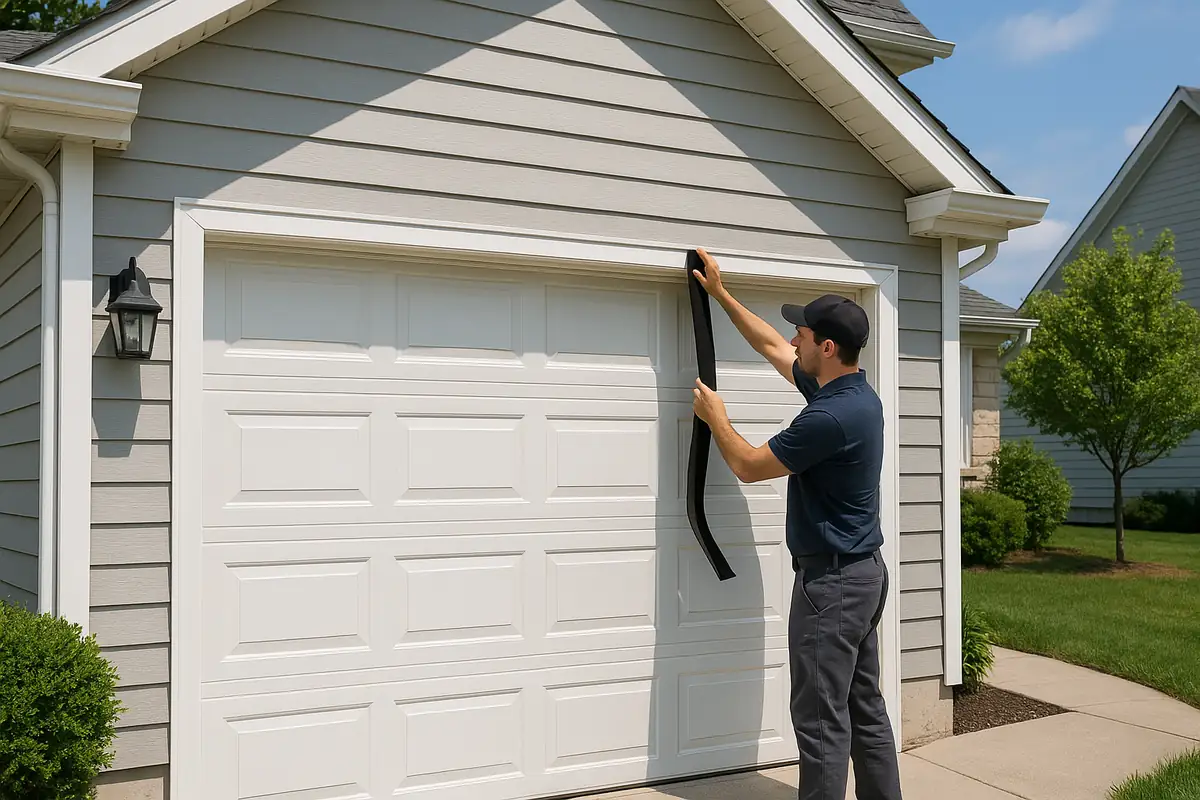
- Seal Gaps: Check for any gaps around windows and doors and seal them using weather stripping or caulk.
- Soundproofing Curtains: Consider using heavy curtains, especially if your garage door faces a living space.
Statistics on Garage Door Noise
According to industry studies, approximately 70% of homeowners report that garage door noise is a nuisance. Additionally, it has been found that properly maintained garage doors can operate 50% quieter than poorly maintained units. Investing in noise reduction not only enhances your comfort but can also increase the longevity of your garage door.
When to Call a Professional
While many homeowners can perform basic maintenance, sometimes it's best to call a professional. Here are some signs that you should reach out to GarageLand:
- Your garage door is still noisy after maintenance.
- You notice unusual sounds like grinding or banging.
- You suspect misalignment or structural issues.
At GarageLand, we specialize in garage door repair in Boston, MA, and can help with any noise issues you may encounter.
Conclusion
Reducing garage door noise doesn’t have to be a daunting task. By following these tips and performing regular maintenance, you can enjoy a quieter home environment. If you need assistance, don’t hesitate to contact GarageLand for professional garage door service in Boston, MA. Your peace of mind is just a call away!
Explore More Resources
Related Articles
Service Areas
We proudly serve Boston, Charles River Square, North Point, Boynton Yards, Cambridge and more areas.
Our Services
Professional garage door repair, spring repair, opener installation and more. View all services →