Understanding Different Garage Door Materials: A Comprehensive Guide by GarageLand

Why the Right Garage Door Material Matters
Your garage door is not just an entry point; it serves as a barrier against the elements, enhances your home’s curb appeal, and provides security. Understanding the materials available can help you make the best choice for your needs and budget.
Common Garage Door Materials
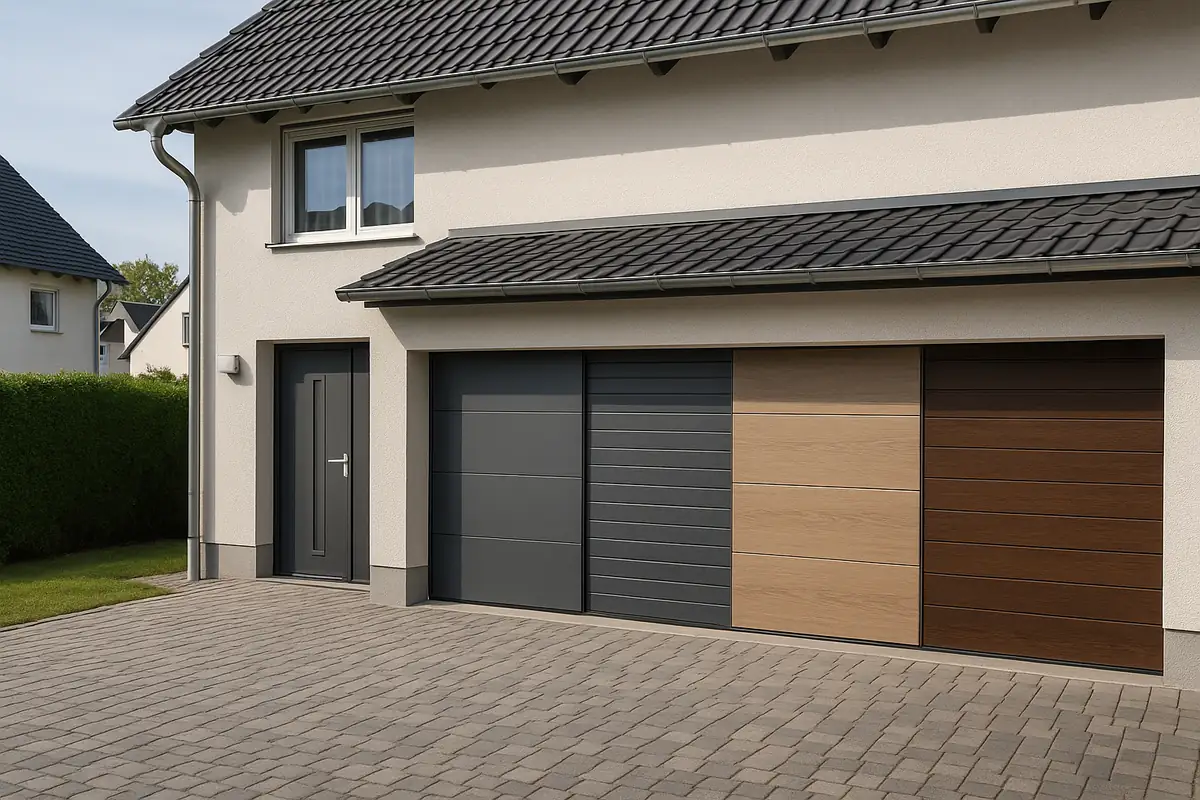
When selecting a garage door, you’ll typically encounter five primary materials. Each comes with its own advantages and disadvantages.
1. Steel Garage Doors
Steel is one of the most popular materials for garage doors due to its durability and cost-effectiveness.
- Durability: Steel doors resist dings, dents, and weather damage.
- Energy Efficiency: Insulated steel doors can help reduce energy costs.
- Variety: Available in various styles and colors.
However, steel doors can be susceptible to rust, especially in humid climates if not properly maintained.
2. Aluminum Garage Doors
Aluminum doors offer a lightweight alternative to steel while still providing a good degree of durability.
- Resistant to Corrosion: Ideal for coastal areas like Boston, where saltwater can be an issue.
- Custom Design: Easily customizable with various finishes.
On the downside, they are less sturdy than steel and can be more expensive.
3. Wood Garage Doors
Wood offers a classic and timeless look that can enhance your home’s aesthetic.
- Beauty: Natural grain and colors can add warmth to your home.
- Customizable: Can be painted or stained to match your home’s exterior.
However, wood requires regular maintenance to prevent warping and rot, especially in Boston's variable climate.
4. Fiberglass Garage Doors
Fiberglass doors are becoming increasingly popular due to their lightweight and energy-efficient properties.
- Low Maintenance: They do not require painting or staining.
- Insulation: Excellent energy efficiency with insulated options available.
However, they can become brittle over time if exposed to extreme temperatures.
5. Vinyl Garage Doors
Vinyl doors are well-known for their resilience and low maintenance needs.
- Durability: Resistant to dents and corrosion.
- Color Retention: Will not fade even after prolonged exposure to sunlight.
Despite their advantages, they often come with a limited range of styles and colors.
Factors to Consider When Choosing a Garage Door Material
When deciding on the right material for your garage door, consider the following factors:
- Climate: Choose materials that perform well in Boston's weather.
- Budget: Determine how much you are willing to spend.
- Maintenance: Assess how much upkeep you are prepared to commit to.
- Aesthetics: Ensure the door complements your home’s architecture.
Garage Door Maintenance Tips
To ensure your garage door lasts longer, regular maintenance is essential. Here are a few tips:
- Inspect Monthly: Check for any signs of wear and tear.
- Lubrication: Keep moving parts lubricated to avoid rust and sticking.
- Weather Stripping: Ensure seals are intact to prevent drafts and moisture.
Conclusion: Find Your Perfect Garage Door with GarageLand
Understanding the various materials available for garage doors is the first step in making an informed decision. Whether you choose steel, wood, or fiberglass, each material offers unique benefits that cater to different needs and preferences. If you’re located in Boston, MA, and need help selecting or installing your garage door, GarageLand is here to assist you. Contact us today to explore our selection and receive expert guidance tailored to your home!
Explore More Resources
Related Articles
Service Areas
We proudly serve Boston, Charles River Square, North Point, Boynton Yards, Cambridge and more areas.
Our Services
Professional garage door repair, spring repair, opener installation and more. View all services →