Weather-Proofing Your Garage Door: Tips from GarageLand in Boston, MA

Why Weather-Proofing Your Garage Door Matters
Your garage door is one of the largest entry points in your home, directly exposed to the elements. In a city like Boston, where winters can be harsh and summers humid, having a weather-proof garage door is crucial. A well-sealed garage door not only prevents drafts and moisture but also enhances energy efficiency and protects your belongings from damage. In this guide, we’ll share essential tips on how to weather-proof your garage door effectively.
Understanding the Basics of Garage Door Weather-Proofing
Before diving into the specific tips and techniques, it’s important to understand what weather-proofing entails. Weather-proofing your garage door involves sealing it against moisture, wind, and temperature fluctuations. Here are some key components to consider:
- Seals and Weather Stripping: These are crucial for preventing air and water leaks.
- Insulation: Proper insulation helps maintain a stable temperature inside your garage.
- Material Durability: The material of your garage door can significantly impact its weather resistance.
1. Inspect Your Garage Door Regularly
Regular inspections are vital to identify potential weather-proofing issues. Here are some components to check:
Components to Inspect
- Weather Stripping: Look for cracks or gaps.
- Seals: Examine the integrity of the seals around windows and edges.
- Insulation: Check for any signs of wear or moisture accumulation.
According to the International Door Association, regular maintenance can extend the lifespan of your garage door by up to 30%. This proactive approach not only saves you money but ensures your garage remains protected against the elements.
2. Upgrade Your Weather Stripping
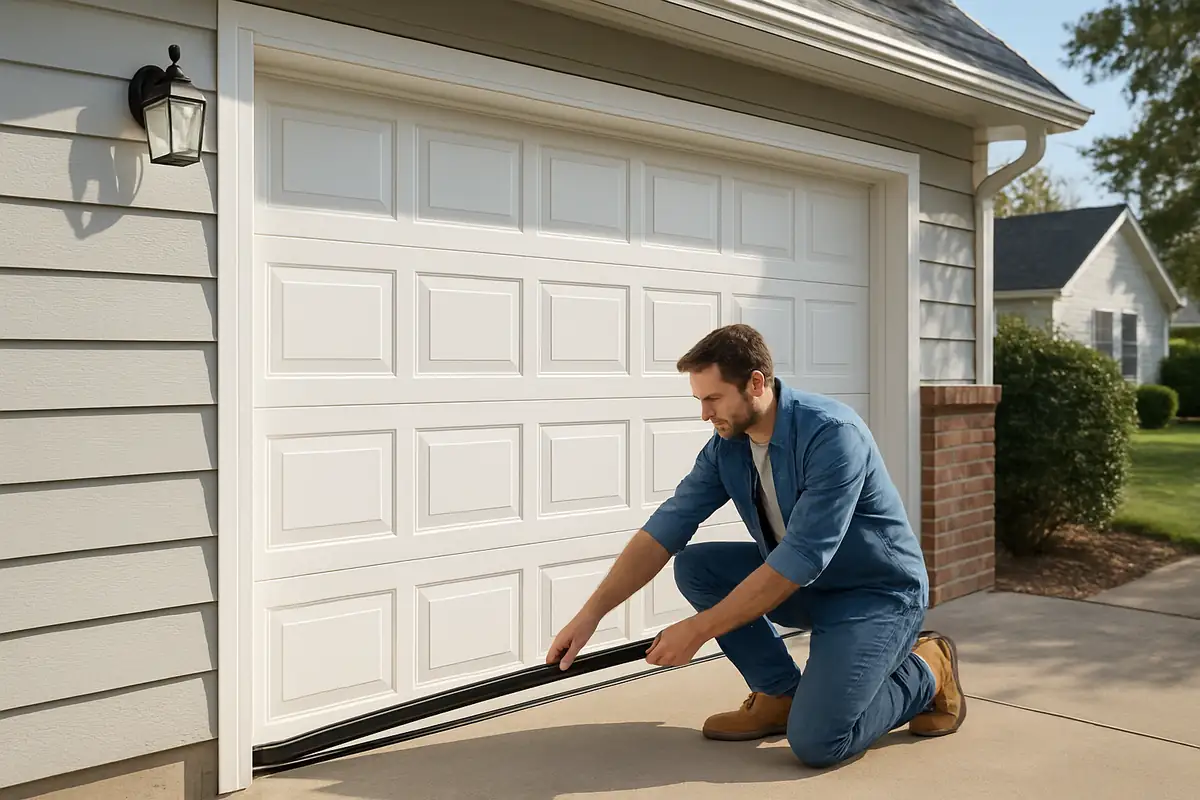
Weather stripping is your garage door’s first line of defense against the elements. If it’s worn out or damaged, it’s time for an upgrade. Here’s how to do it:
Steps to Replace Weather Stripping
- Remove the old weather stripping by pulling it off the tracks.
- Clean the area thoroughly to ensure a strong bond with the new strip.
- Measure the length needed and cut your new weather strip accordingly.
- Apply adhesive or fasten the new weather strip as per manufacturer instructions.
Make sure to choose a weather strip made from high-quality material designed to withstand Boston's weather conditions.
3. Insulate Your Garage Door
Insulating your garage door can greatly improve its ability to resist temperature changes. Here’s why it matters:
- It lowers heating and cooling costs.
- It protects your belongings from extreme temperatures.
- It reduces noise pollution from outside.
Types of Insulation
There are several insulation options available:
- Polystyrene: A rigid foam that provides excellent insulation.
- Polyurethane: A high-quality insulator that fills gaps and provides the best energy efficiency.
- Reflective Insulation: Ideal for warm climates, reflects heat away.
4. Seal Cracks and Gaps
Even small cracks can let in moisture and air. Here’s how to seal them effectively:
Sealing Materials
Use these materials to seal the cracks:
- Caulk: Ideal for filling small gaps around the edges.
- Expanding Foam: Great for larger gaps, providing a tight seal.
- Weatherproof Tape: For temporary fixes while securing permanent solutions.
5. Maintenance Tips for Longevity
To ensure your weather-proofing measures last, implement these maintenance tips:
- Clean your garage door regularly to prevent dirt and grime buildup.
- Lubricate moving parts annually to keep them functioning smoothly.
- Monitor your door’s operation for any unusual noises or resistance.
Conclusion: Secure Your Garage with GarageLand!
Weather-proofing your garage door is not just about comfort; it’s about protecting your home and savings. By following these tips, you can ensure that your garage remains a secure and insulated space. If you need professional help, don’t hesitate to contact GarageLand, the trusted name for garage door repair in Boston, MA. Our experienced team is here to assist you with all your garage door needs!
Explore More Resources
Related Articles
Service Areas
We proudly serve Boston, Charles River Square, North Point, Boynton Yards, Cambridge and more areas.
Our Services
Professional garage door repair, spring repair, opener installation and more. View all services →