Weather-Proofing Your Garage Door: Essential Tips from GarageLand in Boston, MA

The Importance of Weather-Proofing Your Garage Door
Living in Boston, MA, means you experience a wide range of weather conditions—from snowy winters to wet springs. Your garage door is one of the first lines of defense against the elements. Weather-proofing your garage door not only enhances its lifespan but also improves energy efficiency and protects your belongings. In this post, we’ll guide you through effective strategies for weather-proofing your garage door, ensuring it withstands Boston's climate.
Understanding the Types of Garage Doors
Before diving into weather-proofing techniques, it's crucial to understand the different types of garage doors available:
- Roll-up Doors: These are compact and ideal for small spaces.
- Sectional Doors: Made of panels, they provide insulation and are common in residential areas.
- Side-Hinged Doors: These traditional doors are easy to operate and offer classic aesthetics.
- Tilt-Up Doors: One solid piece that tilts up to open, providing a sturdy option.
Choosing the Right Material
Material plays a significant role in how well your garage door can withstand weather conditions. Here are common materials and their weather-resistant properties:
- Steel: Strong and durable, but requires regular painting to prevent rust.
- Aluminum: Lightweight and resistant to corrosion, making it an excellent choice for coastal areas.
- Wood: Offers aesthetic appeal but needs frequent sealing and treatment to resist moisture.
- Fiberglass: Low maintenance and resistant to dents but may fade over time.
Top Weather-Proofing Tips for Your Garage Door
Now that you understand the types of garage doors and materials, let’s explore practical tips and advice for weather-proofing your garage door.
1. Inspect Seals and Weatherstripping
Start by examining the seals and weatherstripping around your garage door. Over time, these components can wear out or become damaged, leading to drafts, moisture buildup, and energy loss. Here’s how to inspect and replace them:
- Check for cracks or gaps in the rubber seals.
- Look for signs of wear, such as fraying or peeling.
- Replace damaged seals with new weatherstripping, ensuring a snug fit.
2. Ensure Proper Insulation
Proper insulation is key to maintaining a comfortable garage environment and improving energy efficiency. Here are a few insulation options:
- Foam Board Insulation: Effective for standard garage door panels.
- Reflective Insulation: Ideal for warmer climates, reflecting heat away from your garage.
- Insulated Garage Doors: Consider investing in a pre-insulated garage door for maximum energy efficiency.
3. Maintain Regular Maintenance
Regular check-ups can prevent weather-related damage:
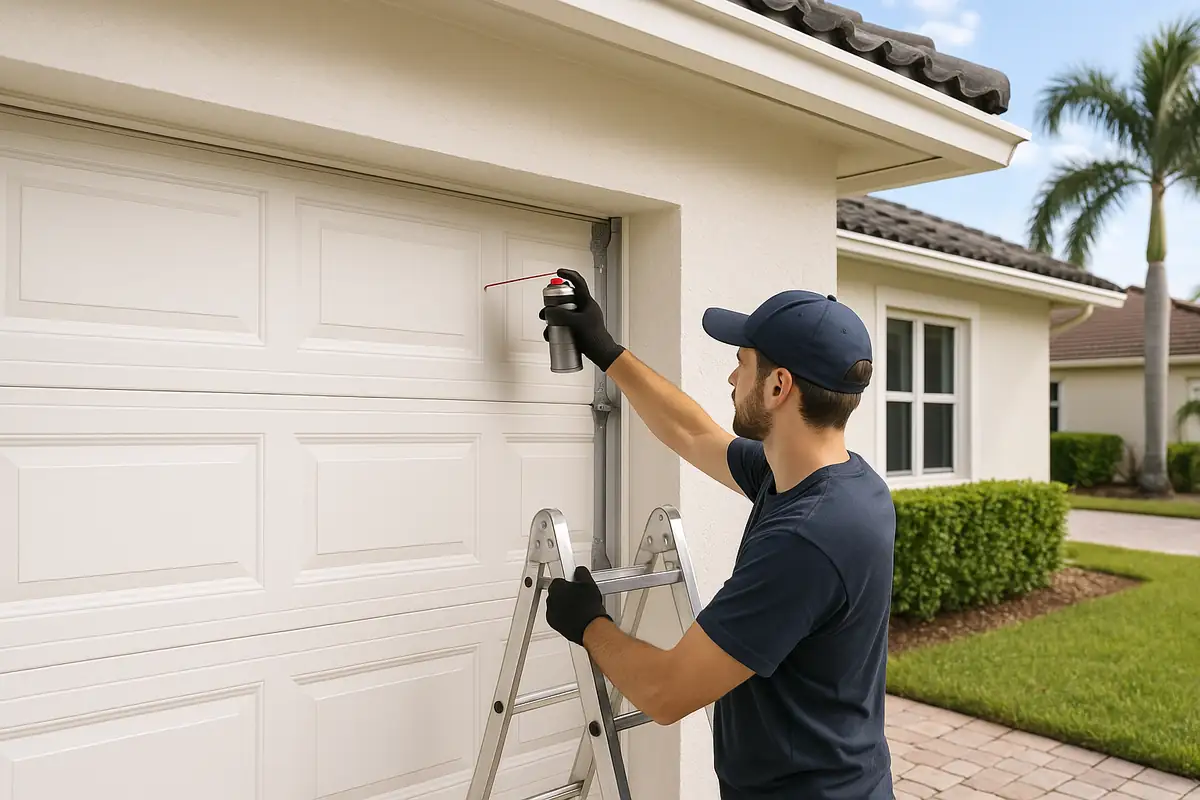
- Lubricate Moving Parts: Apply lubricant to the rollers, hinges, and tracks to ensure smooth operation.
- Clean the Exterior: Remove dirt and debris that can cause rust or deterioration.
- Check for Rust: Treat any rust spots immediately with appropriate cleaners or sealants.
4. Install a Garage Door Threshold
A garage door threshold creates a barrier against rain, snow, and debris. Here’s how to install one:
- Measure the doorway width and purchase the appropriate threshold kit.
- Clean the area thoroughly before installation.
- Follow the manufacturer’s instructions to attach the threshold securely.
5. Consider Automated Solutions
Incorporating technology can enhance your garage door's weather resilience:
- Smart Sensors: Automated sensors can detect temperature fluctuations and alert you to issues.
- Remote Monitoring: Keep track of garage door status from your smartphone, even when you’re away.
Common Weather-Related Issues
Understanding the common problems caused by weather can help you take proactive measures:
- Ice and Snow Build-up: Can lead to malfunctioning doors and increased weight stress.
- Moisture Damage: High humidity can cause wood rot and rust on metal doors.
- Extreme Temperatures: Can affect the door's operation and integrity.
Statistics on Garage Door Efficiency
Did you know that a well-insulated garage door can save you up to 20% on your energy bills? According to the U.S. Department of Energy, uninsulated garage doors can account for up to 15% of heat loss in a home. This emphasizes the importance of weather-proofing for both comfort and energy savings.
Conclusion: Protect Your Home with GarageLand
Weather-proofing your garage door is an essential step in protecting your home against Boston's unpredictable climate. By following these tips, you can enhance your garage door's durability and efficiency. If you’re unsure where to start or need professional assistance, GarageLand is here to help. Our expert team specializes in garage door repair and maintenance in Boston, MA. Contact us today for a consultation and keep your garage safe and secure!
Explore More Resources
Related Articles
Service Areas
We proudly serve Boston, Charles River Square, North Point, Boynton Yards, Cambridge and more areas.
Our Services
Professional garage door repair, spring repair, opener installation and more. View all services →